
 Video coming soon
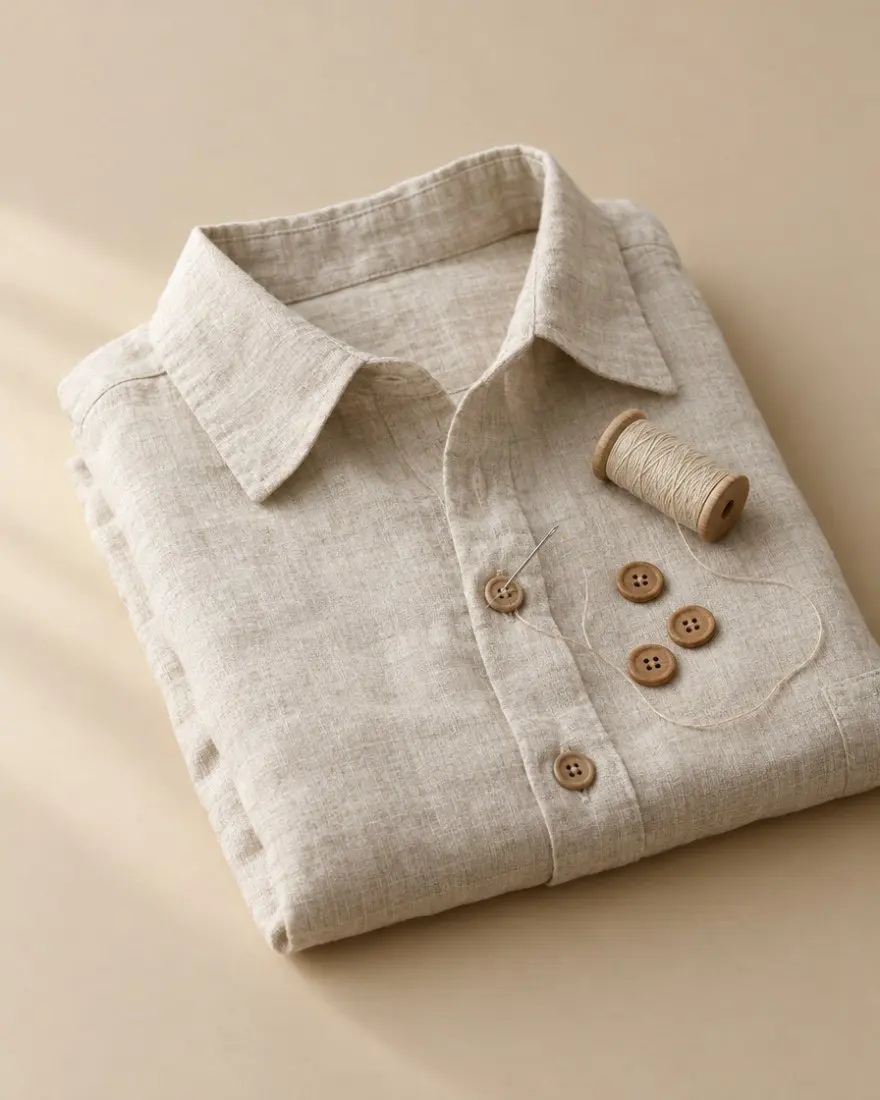
Sew on a button
Lost a button? Here's how to sew it back on in a few minutes.
03
Small repairs make a big difference. And when a garment is finally worn out, here is how to hand it in.
Repair & reuse
Here are a few ideas for how you can take care of your clothes yourself. By fixing small holes and minor damage, you help your garments last longer and leave a smaller footprint. These are some of our favourite ways to do it.
Video coming soon
Lost a button? Here's how to sew it back on in a few minutes.
Video coming soon
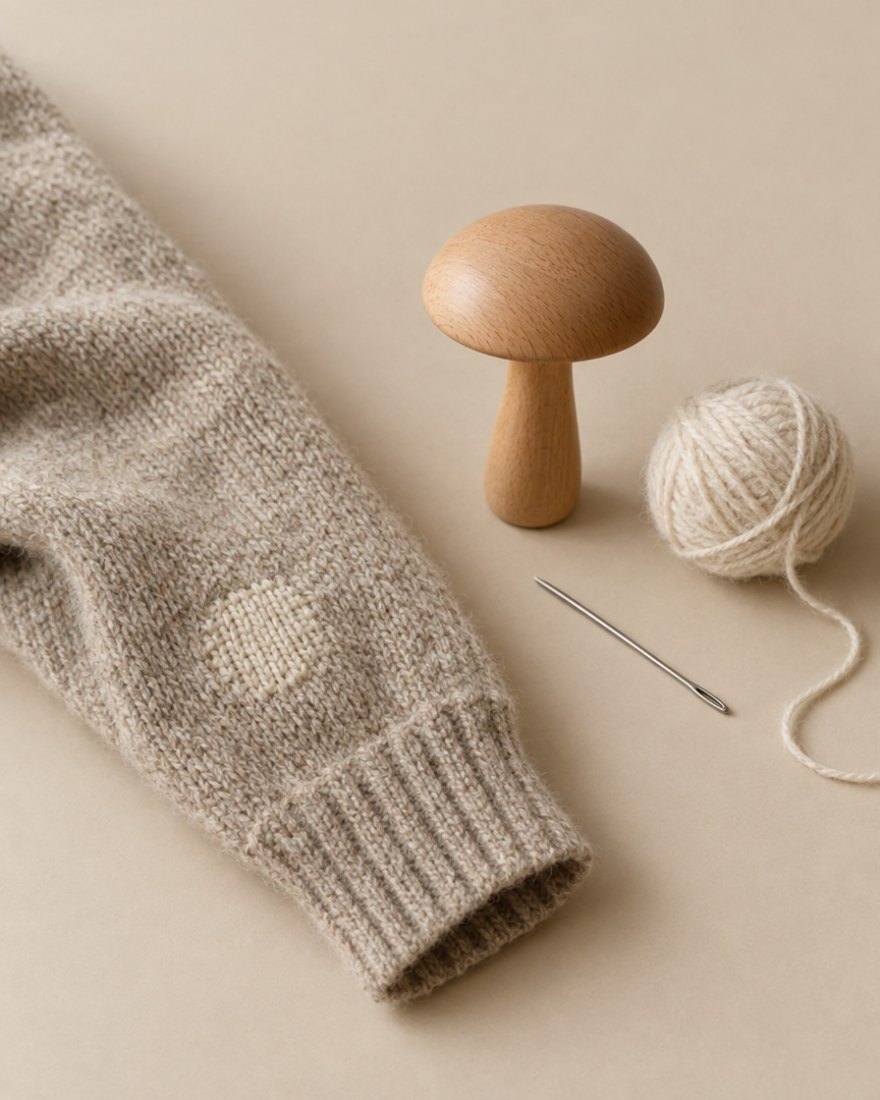
Close small holes in your knit so it lasts for many more seasons.
 Video coming soon
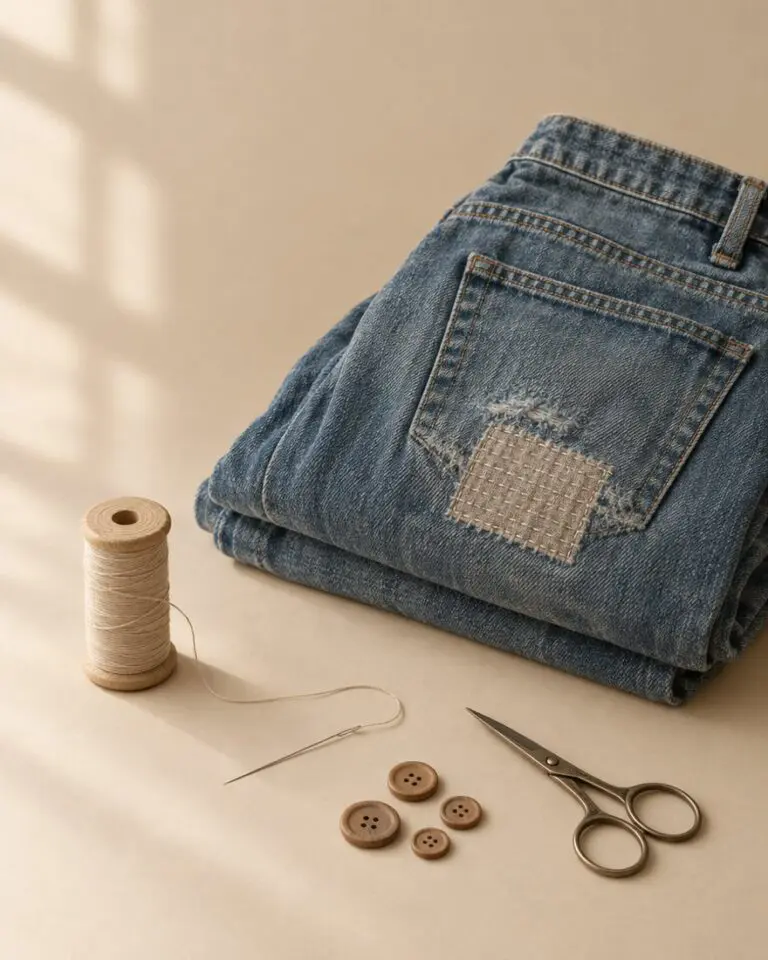
Patch or darn worn areas and keep your favourite jeans going.
 Video coming soon
A split seam is quick to fix with a needle and thread.
 Video coming soon
A stuck or split zip doesn't mean the end of a garment. Here's how to get it running smoothly again.
End of life
Even the best-cared-for garment wears out one day. How you hand in used textiles depends on where you live – choose your country below.
Clothes that are whole and clean can be used again. Give them to someone you know, or hand them in to a second-hand shop or charity collection – for example the Red Cross, Blue Cross or Kirkens Korshær.
Worn-out, torn or stained textiles are sorted as textile waste. Depending on your municipality, they are collected at home (textile collection with your household waste), in textile containers or at the recycling centre (genbrugsplads).
The textiles must be dry. They don't need to be washed, but must not contain paint, oil or other chemicals. Pack them in a closed bag. Check your municipality's website for the local scheme.
Whole, clean clothes can be used again. Pass them on, or hand them in to a second-hand shop or charity collection – for example Myrorna, the Red Cross or Erikshjälpen.
Since 1 January 2025, textile waste must be sorted separately in Sweden, and the municipalities are responsible for collecting it. Worn-out and broken textiles are handed in at the recycling centre (återvinningscentral) or in the textile collection your municipality offers.
Keep the textiles dry and pack them in a closed bag. Socks, underwear and textiles that are mouldy or too dirty to recycle may go in residual waste. Your municipality has details on where to hand them in.
Whole, clean and wearable clothes can be used again. Hand them in to a clothing collection – for example Fretex or UFF – or to a second-hand shop.
Since 1 January 2025, all Norwegian municipalities must collect textile waste separately. Worn and damaged textiles are handed in at the recycling station (gjenvinningsstasjon) or in the textile collection your municipality offers.
The textiles must be dry – small stains are fine. Wet or mouldy textiles, or textiles soiled with paint or oil, go in residual waste. Find your nearest drop-off point at sortere.no.