CareGuide
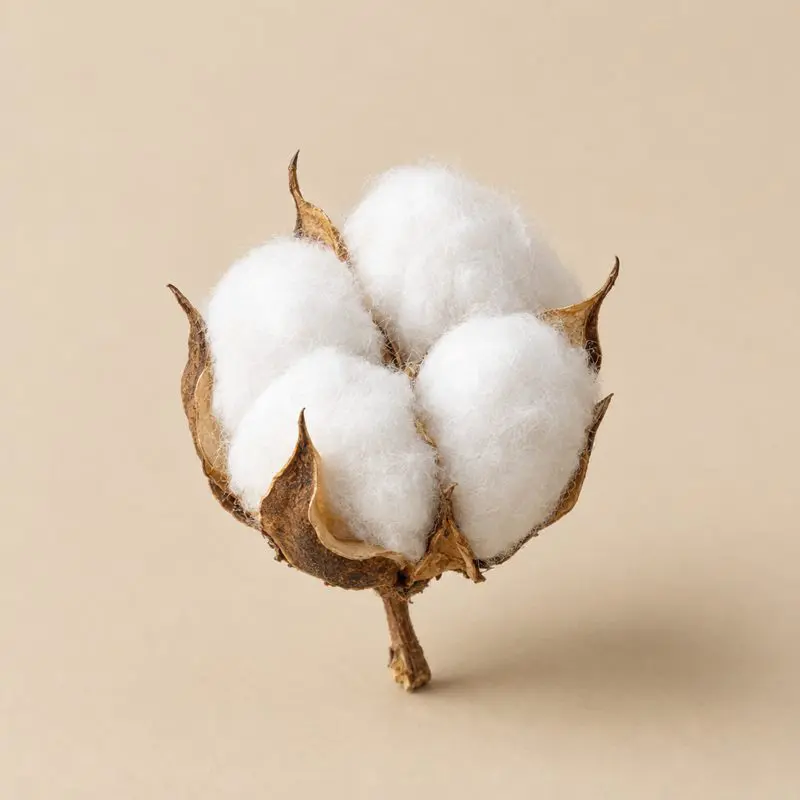
An open organic cotton boll
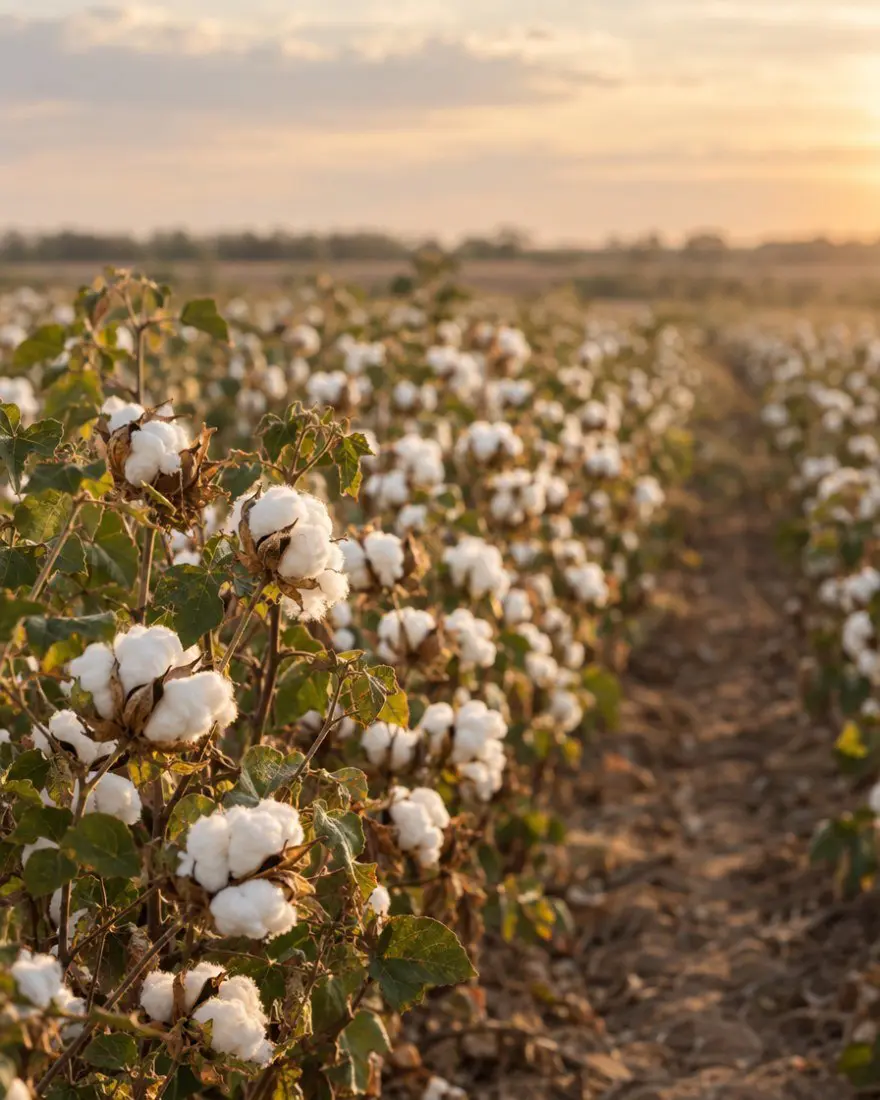
A cotton field at harvest time
Materials

04

Materials

The materials our products are made of, and the independent certifications behind them.

Materials that Matter

Every fibre has its own story, from how it is grown or made to how long it lasts. Here you can learn more about the materials used in these products and what makes them a more responsible choice.

Recycled Materials

Giving waste a second life. Turning used textiles, plastic and production leftovers into new fibres reduces the need for virgin raw materials and helps move fashion towards a circular economy. Many recycled materials can be certified to the Global Recycled Standard (GRS) or the Recycled Claim Standard (RCS), which verify the recycled content and trace it through the supply chain. Where a product is certified, you will find it on the product label.

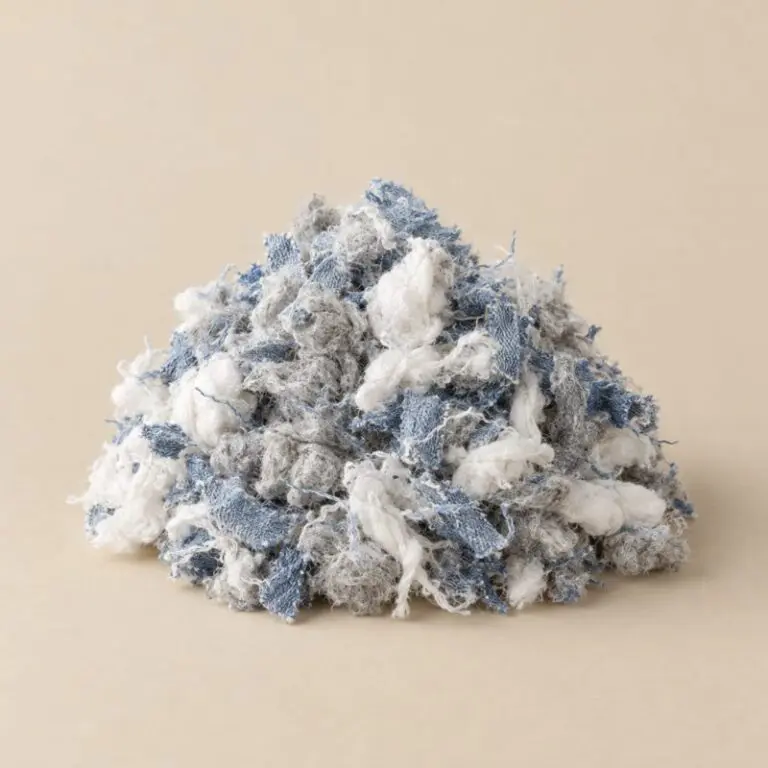
Recycled Materials Made from cotton waste, either offcuts from production (pre-consumer) or worn garments (post-consumer). The waste is sorted by colour and fibre type, then broken down mechanically into fibres that can be spun into new yarn. Global Recycled StandardRecycled Claim Standard
Recycled Materials Recycled polyester can be made from two sources: used PET bottles and polyester textile waste. Natex of Scandinavia works with both. The material is cleaned, melted and spun into new yarn, giving it a second life instead of letting it end up as waste. Global Recycled StandardRecycled Claim Standard
Recycled Materials Polyamide (nylon) made from waste instead of new oil-based raw material, for example textile leftovers or discarded fishing nets. The waste is cleaned and processed into new yarn with the same strength and stretch as virgin polyamide. Global Recycled StandardRecycled Claim Standard
Recycled Materials Made by recycling textile waste into new cellulose fibres. The recovered material is turned into fresh yarn, reducing the need for new wood pulp. Global Recycled StandardRecycled Claim Standard
Recycled Materials Linen leftovers and textile scraps are mechanically shredded and spun into new linen yarn. This makes use of flax fibre that already exists, instead of growing new flax. Global Recycled StandardRecycled Claim Standard
Recycled Materials Made from textile waste and worn garments. The fibres are sorted by colour, mechanically opened up and spun into new yarn, keeping these precious fibres in use for longer. Global Recycled StandardRecycled Claim Standard
Recycled Materials Recovered from the filling of used products such as duvets and cushions. The down and feathers are sorted, thoroughly cleaned and reused as filling in new products. Global Recycled StandardRecycled Claim Standard
Recycled Materials Made from rubber waste left over from manufacturing. The waste is sorted by type and ground down so it can be reused as raw material, with properties close to new synthetic rubber. The result is strong and durable, and reduces the use of virgin raw materials. Global Recycled StandardRecycled Claim Standard
Recycled Materials Made from leather offcuts left over from leather processing. The scraps are shredded and bound together with natural latex to create a new material. Bonded leather can be certified to GRS or RCS. Global Recycled StandardRecycled Claim Standard
Recycled Materials Made from recovered wood waste. Look for the FSC label: the Forest Stewardship Council certifies responsibly managed forests and recycled wood sources, and tracks the material from origin to finished product. Forest Stewardship Council
Recycled Materials Paper is one of the most widely recycled materials. Paper waste is dissolved in water, the ink is removed, and the clean pulp is used to make new paper – for example for labels, hangtags and packaging. Forest Stewardship Council

The materials used vary from product to product. Check the product label to see what your garment is made of.

Organic & Responsibly Grown Fibres

Natural fibres start in the field, and how they are grown matters. Organic and regenerative farming avoids synthetic pesticides and fertilisers and works to protect soil health and biodiversity. Organic fibres can be certified to the Organic Content Standard (OCS) or the Global Organic Textile Standard (GOTS). Where a product is certified, you will find it on the product label. Alongside organic, several cotton programmes work for better farming practices – they are not organic, and each one is explained below.

Organic & Responsibly Grown Fibres Grown from non-genetically modified seeds, without synthetic fertilisers or pesticides. Organic Content StandardGlobal Organic Textile Standard
Organic & Responsibly Grown Fibres Grown the organic way on farms that are in the transition period to full organic certification (typically up to three years), while synthetic chemicals are phased out of the soil. Choosing in-conversion cotton supports farmers through the switch and helps more organic cotton reach the market. Organic Content Standard
Organic & Responsibly Grown Fibres Regenerative farming aims to leave the land healthier than before: richer soil, more biodiversity, better water management and more carbon stored in the ground. Key practices include minimal tilling, which keeps carbon in the soil, and cover crops, which protect the soil, keep it cool and moist, and add organic matter that makes it more fertile over time. See product label
Organic & Responsibly Grown Fibres The world's largest cotton sustainability programme. It trains farmers to use water and pesticides more carefully and to improve soil health and working conditions. Better Cotton is not organic, and most of it is sourced through mass balance – so the cotton in a specific garment cannot always be traced back to a Better Cotton farm. Better Cotton
Organic & Responsibly Grown Fibres Cotton grown by smallholder farmers in sub-Saharan Africa under the Cotton made in Africa standard: no genetically modified seeds, no child labour, a ban on the most hazardous pesticides and mainly rain-fed fields. The standard is not organic, but a separate CmiA Organic label exists. Cotton made in Africa
Organic & Responsibly Grown Fibres Extra-long-staple cotton with long, fine fibres that make soft, strong and smooth fabrics. Pima is grown mainly in the USA and Peru – Supima® is the trademark for 100 % American-grown Pima. Egyptian cotton comes from the Nile Delta, and the Cotton Egypt Association licenses its logo and verifies the origin. These names describe fibre quality and origin, not organic farming. Supima®Cotton Egypt Association
Organic & Responsibly Grown Fibres Cotton grown in the United States. The COTTON USA™ mark is run by Cotton Council International, and U.S. growers can join the U.S. Cotton Trust Protocol, which measures and verifies progress on water, soil, emissions and energy use. It is not organic. COTTON USA™U.S. Cotton Trust Protocol
Organic & Responsibly Grown Fibres Flax grown in Western Europe, where the climate usually provides enough rain for the crop, and farming follows responsible practices such as crop rotation, non-GMO seeds and limited use of fertilisers and pesticides. Look for the Masters of FLAX FIBRE™ certification, which guarantees the European origin of the fibre. Masters of FLAX FIBRE™
Organic & Responsibly Grown Fibres Grown from non-genetically modified seeds, without synthetic fertilisers or pesticides. Organic Content StandardGlobal Organic Textile Standard

Wood-based cellulose fibres

Viscose, modal, lyocell and acetate are known as man-made cellulosic fibres. They are neither fully natural nor synthetic: they are made from cellulose from wood, which is dissolved and spun into new fibres. Their footprint depends mainly on where the wood comes from and how the chemicals in production are handled.

Wood-based cellulose fibres Fibres made from wood pulp from certified or controlled forests – such as FSC-certified wood – and not from ancient or endangered forests. The most responsible producers reuse water and chemicals in a closed loop. If a product is made from such fibres, it will say so on the label. Forest Stewardship CouncilLENZING™ ECOVERO™
Wood-based cellulose fibres Bamboo is a fast-growing plant, but most bamboo textiles are made by dissolving the bamboo into cellulose – just like other viscose and lyocell. That is why EU labelling rules require it to be called viscose or lyocell (made from bamboo) on the label. Look for bamboo from FSC-certified forests, ideally processed in a closed-loop system such as lyocell. Forest Stewardship CouncilEU textile labelling rules (1007/2011)

Stretch fibres

Elastane – also known as spandex – is a synthetic fibre that can stretch a great deal and snap back into shape. Just a few per cent blended with cotton or other fibres gives comfort, freedom of movement and a garment that keeps its fit. LYCRA® and creora® are two of the best-known elastane brands.

Stretch fibres LYCRA® is a registered brand of The LYCRA Company and the original elastane fibre, developed in the 1950s. On the care label you will find the generic name elastane (spandex in the US). Elastane is sensitive to heat, chlorine and fabric softener – wash cool, avoid high tumble-drying heat and skip the softener to keep the stretch. LYCRA® EcoMade fibre contains 20 % recycled pre-consumer material and is certified to the Recycled Claim Standard (RCS). LYCRA® – The LYCRA CompanyRecycled Claim Standard
Stretch fibres creora® is the elastane brand of the Korean fibre maker Hyosung, used widely in underwear, sportswear and denim. On the care label it is also simply called elastane, and it needs the same gentle care: cool washes, low drying heat and no fabric softener. creora® regen is a recycled version made from reclaimed elastane waste and certified to the Global Recycled Standard (GRS). creora® – HyosungGlobal Recycled Standard

Animal fibres

Natural fibres with a living source. Wool does not only come from sheep. Goats, alpacas, yaks, camels and rabbits all give fibres of their own, and silk is spun by the silkworm. All of them are protein fibres: soft, warm or breathable, and all need gentle care. With animal fibres, how the animals are treated matters as much as the fibre itself. Independent standards verify animal welfare and land management on the farm and trace the fibre through the supply chain. Where a product is certified, you will find it on the product label.

Animal fibres Shorn from sheep, usually once a year. Merino wool comes from the merino breed and is especially fine and soft against the skin. The natural crimp in the fibre traps air, which keeps you warm, and wool can absorb up to about a third of its own weight in moisture before it feels wet. It also holds on to odours until the next wash. Responsible Wool Standard Air it often and wash rarely, on the wool cycle with wool detergent. Dry flat. The Responsible Wool Standard (RWS) covers the welfare of the sheep, including a ban on mulesing, and how the land they graze is managed.
Animal fibres The soft undercoat of cashmere goats, mainly from Central Asia. It is combed out by hand in spring, when the goats naturally shed their winter coat. One goat gives only around 150–200 grams a year, which is why cashmere is so precious. The fine fibres are very soft and give a lot of warmth for their weight. The Good Cashmere Standard Hand wash or use the wool cycle, dry flat and store folded. A little pilling at first is normal – remove it with a cashmere comb. The Good Cashmere Standard® covers the welfare of the goats, the land they graze and the working conditions of the herders.
Animal fibres Shorn from the Angora goat – not to be confused with angora, which comes from rabbits. Mohair has a natural lustre and is strong, elastic and resistant to creasing. Kid mohair, from young goats, is the softest. Responsible Mohair Standard Air it rather than washing it. When needed, hand wash cold and dry flat. A gentle shake brings back the fluffy surface. The Responsible Mohair Standard (RMS) covers the welfare of the goats and how their land is managed.
Animal fibres Shorn from alpacas, which live mainly in the Andes in South America. Many alpaca fibres are partly hollow, which makes them warm without being heavy. Alpaca has no lanolin, the natural grease found in sheep's wool, and it feels silky and smooth. Responsible Alpaca Standard Wash cold on the wool cycle or by hand, and dry flat. Alpaca can stretch, so fold it rather than hanging it. The Responsible Alpaca Standard (RAS) covers the welfare of the alpacas and how their land is managed.
Animal fibres The soft down of yaks from the high Tibetan Plateau, combed or shorn when the animals shed in spring. The finest yak down is comparable to cashmere in softness, it is warm, and it usually keeps its natural brown or grey colour. Care for it like cashmere: wool cycle or hand wash, dry flat, store folded. Check the product label for certifications.
Animal fibres The soft undercoat of the Bactrian camel, collected when the camels shed their winter coat in spring. Camel hair is warm, light and naturally golden brown, and is most often used in coats and jackets. Brush and air camel-hair coats between wears. Leave cleaning to a professional unless the label says otherwise. Check the product label for certifications.
Animal fibres Comes from the Angora rabbit. The fine, light fibres give yarn its characteristic soft halo. Angora is very warm but has little elasticity, so it is usually blended with wool or other fibres. Hand wash cold without rubbing, as angora felts easily. Press out the water in a towel and dry flat. Some shedding at first is normal. Check the product label for certifications.
Animal fibres Made by the silkworm, which spins its cocoon from one long, continuous thread. Most silk comes from the mulberry silkworm. The cocoons are softened and unwound, and several threads are twisted into one yarn – which gives silk its smooth surface, natural sheen and strength. In conventional production the pupa does not survive. In so-called peace silk the moth leaves the cocoon first, which gives less and shorter fibre. Global Organic Textile Standard Hand wash cool with a silk or mild detergent. Never wring, and dry out of direct sunlight. Organic silk can be certified to the Global Organic Textile Standard (GOTS), which covers the whole chain from organic fibre to finished product. Where a product is certified, you will find it on the product label.

The materials used vary from product to product. Check the product label to see what your garment is made of.

Certifications

Standards We Trust

Independent certifications make it possible to trust what a label says.

Below are the standards you may see on the products in this guide, and what each of them stands for.

Materials

Textile Exchange

Textile Exchange is a global non-profit that works to move the textile industry towards preferred, lower-impact fibres and materials. Natex of Scandinavia, which produces these garments, is a member. Textile Exchange has developed several of the standards below, covering recycled content, organic farming and animal welfare. Certification is carried out by independent, accredited certification bodies, not by the brands themselves.

OCS

Organic Content Standard (OCS)

Verifies the amount of organically grown material in a product, from farm to finished product.

Organic Content Standard
RCS

Recycled Claim Standard (RCS)

Verifies the recycled content of a product and tracks it through the supply chain.

Recycled Claim Standard
GRS

Global Recycled Standard (GRS)

Goes further than RCS by adding requirements for chemicals, environmental management and working conditions in production.

Global Recycled Standard
RAS

Responsible Alpaca Standard (RAS)

Protects the welfare of alpacas and the land they graze on, and traces certified alpaca fibre from farm to finished product.

Textile Exchange – standards
RMS

Responsible Mohair Standard (RMS)

Protects the welfare of angora goats and the land they graze on, and traces certified mohair from farm to finished product.

Textile Exchange – standards
GOTS

Global Organic Textile Standard (GOTS)

The world's leading standard for organic textiles. GOTS covers the whole chain from organic fibre to finished product and includes strict environmental and social criteria.

Global Organic Textile Standard
FSC

Forest Stewardship Council (FSC)

Ensures that wood and paper come from responsibly managed forests or recycled sources.

Forest Stewardship Council
ECO VERO

LENZING™ ECOVERO™

A branded viscose fibre from Lenzing, made from wood from certified or controlled sources and produced with lower emissions and water impact than generic viscose.

LENZING™ ECOVERO™

Product & chemical safety

Safe to wear

These labels are about safety: that a garment has been tested for harmful substances, and that it was made with responsible use of chemicals. You may come across some of them on the care label or hangtag of your clothes. Some certify the product itself; others certify the factory, the chemicals or the company behind it.

OEKO TEX

OEKO-TEX® STANDARD 100

Every part of a certified product, from fabric and thread to buttons and prints, is tested for harmful substances by independent institutes.

OEKO-TEX®
MADE IN GREEN

OEKO-TEX® MADE IN GREEN

A traceable product label: the article is tested for harmful substances under OEKO-TEX® STANDARD 100 or LEATHER STANDARD and made in facilities certified under OEKO-TEX® STeP. A QR code or ID on the label shows where it was made.

OEKO-TEX® – all standards
ORGANIC COTTON

OEKO-TEX® ORGANIC COTTON

Verifies organic cotton from the field to the finished product, including testing for genetically modified organisms (GMO) and harmful substances.

OEKO-TEX® – all standards
LEATHER

OEKO-TEX® LEATHER STANDARD

Leather articles and leather materials are tested for harmful substances at every stage of production.

OEKO-TEX® – all standards
STeP

OEKO-TEX® STeP

Certifies production facilities – not products – that work with environmentally friendly processes, good chemical management, safe working conditions and social responsibility.

OEKO-TEX® – all standards
ECO PASSPORT

OEKO-TEX® ECO PASSPORT

Certifies the chemicals, dyes and auxiliaries used in textile and leather production, showing that they are safe for people and the environment.

OEKO-TEX® – all standards
RESP. BUSINESS

OEKO-TEX® RESPONSIBLE BUSINESS

Helps companies meet due-diligence requirements by assessing how they identify and reduce human-rights and environmental risks in their supply chain.

OEKO-TEX® – all standards
ZDHC

ZDHC – Zero Discharge of Hazardous Chemicals

ZDHC's Roadmap to Zero works to remove hazardous chemicals from textile production. It sets a list of chemicals that must not be used in manufacturing (MRSL) and guidelines for clean wastewater.

ZDHC Roadmap to Zero
Secret Link